

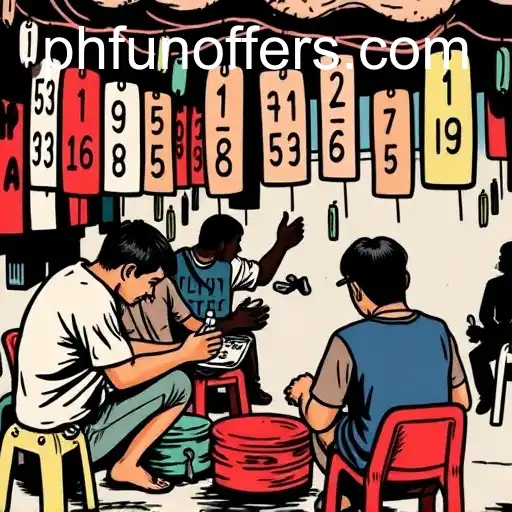

In the heart of the Philippines, among bustling towns and cities, a shadowy numbers game called Jueteng thrives. For many Filipinos, Jueteng is not merely a game but a part of cultural identity and societal framework. Originating from the Spanish colonial era, Jueteng found its roots among Chinese communities in the Philippines. It evolved into a widespread gambling activity as it seeped into local communities. Despite being illegal, Jueteng holds a stronghold across various regions of the country. This clandestine numbers game operates unchecked due to deep-seated social structures and corrupt practices.
The operational aspects of Jueteng are quite straightforward yet intricate. The game typically involves a random draw of two-number combinations ranging from one to thirty-seven. Players place their bets, hoping that their chosen numbers will be drawn. Success in Jueteng relies on a mixture of luck and superstition, with many participants motivated by the dream of quick wealth. Jueteng draws are often conducted multiple times a day, accommodating more wagers and increasing the potential payouts. The allure of Jueteng lies in its accessibility and simplicity, traits that have assured its popularity across multiple social strata.
Jueteng is more than a mere betting game; it has been embedded deeply into the cultural tapestry of the Philippines. The game’s widespread acceptance can be linked to the communal and economic situations in many Filipino communities. High levels of poverty and limited access to economic opportunities drive many to gamble in hopes of transforming their fortunes. Jueteng acts as a social equalizer where individuals from different economic backgrounds participate. Its continued existence reflects the resilience of cultural practices, even in the face of legal prohibitions.
The legality of Jueteng has been a contentious issue within Philippine society. Despite being declared illegal under the country’s gambling laws, it sustains itself through deeply entrenched networks that often involve local authorities. The complexity of cracking down on Jueteng lies in its clandestine nature; it is often backed by syndicates capable of keeping operations secretive and under the radar of law enforcement. Furthermore, there is often a reluctance to enforce anti-jueteng laws due to corruption and the possibility of backlash from communities who view law enforcement actions as intrusive.
While Jueteng promises profits for some, it has broad implications for the economic environment in many regions. The money from Jueteng is often recycled into various facets of local economies, sustaining a cycle of dependence and economic entrapment. Critics argue that Jueteng diverts funds from productive endeavors, affecting savings and financial planning for many families. The financial windfall is usually temporary, leading to a cycle of poverty where participants continually rely on their lucky break rather than steady employment or business ventures.
Jueteng’s influence extends into the social dynamics within Philippine locales. It fosters a sense of community among participants, where winning numbers are not just personal victories but communal events. Local operators, often known as "cobradors", interact closely with bettors, forming bonds that transcend the gambling activity. Despite the underlying illegality, these relationships foster a social connection and sense of belonging for many individuals. Yet, these interactions also pose moral and ethical questions about supporting illegal activities.
Over the years, Jueteng has been at the center of numerous political scandals and controversies. High-profile figures have been implicated, hinting at the extent of Jueteng’s influence. Often, these scandals reveal not just corruption but the systemic issues at the heart of governance in the Philippines. Struggles to eradicate Jueteng suggest a need for comprehensive reforms both within the legal framework and the broader societal context.
The future of Jueteng remains uncertain. Attempts to legalize the game and bring it under government control have been suggested as potential solutions. Such measures could offer regulation and taxation opportunities but also run the risk of encouraging gambling. Some advocate for better economic opportunities, education, and social programs as a sustainable way to diminish Jueteng’s appeal. The path forward involves balancing cultural acceptance with economic realities and legal stipulations.
Jueteng’s continued presence in the Philippines is a testament to its entrenchment in the socio-economic fabric of the country. As the nation progresses, the handling of Jueteng serves as a critical indicator of the broader socio-economic strategies in place. As such, the ongoing debate over its regulation or eradication remains ever relevant in shaping the Philippines’ journey towards a future of greater economic stability and social justice.

Explore PenaltySeries, a thrilling sports game that offers endless excitement with its unique gameplay and competitive environment.

Explore the thrilling world of DragonHeart, a captivating game that blends strategy and adventure, offering players an immersive experience.

Explore the innovative game CricketSah75, combining the charm of cricket with the thrill of strategy. Delve into its gameplay, introduction, and rules, promising an engaging experience for players worldwide.

Dragon8s25x immerses players in a thrilling gaming experience with engaging mechanics. Its connection with keyword PHFUN ensures players a fantastic journey filled with excitement.

Discover the alluring world of SUGARBANGBANG, a delightful game infused with creativity and excitement. Uncover its unique gameplay and rules amidst today's gaming trends.

Discover the immersive world of 3CoinTreasures2, a thrilling game combining treasure hunting and strategic gameplay.
